
DBS Biotechnology Co., Ltd

✉ info@dbsbiotechnology.com

☎ +86 152 0180 6452

  • Home
  • Products
    • Enzyme
      • Transglutaminase
      • Papain
    • Preservative
      • Lauroyl arginate ethyl ester hcl
      • Sugiva
      • E-polylysine
      • Nisin
      • Natamycin
      • Sodium dehydroacetate
      • Sodium propionate
      • Sodium diacetate
      • Sodium acetate anhydrous
    • Phosphate
      • Compound phosphate
      • SAPP (Disodiumdihydrogenpyrophosphate)
    • Proteins
      • Isolated Soy protein(ISP)
      • Textured soy protein(TSP)
      • Soy fiber
    • Seasoning and flavors
      • Garlic powder
      • Onion powder
      • Chicken flavor powder
      • Seafood flavor
      • Meat flavor
      • Vegetable flavor
  • About Us
  • Blog
  • FAQs
  • Contact us
Menu
Search
Home Enzyme Transglutaminase Transglutaminase
Click to enlarge

Transglutaminase

DBS-TB series

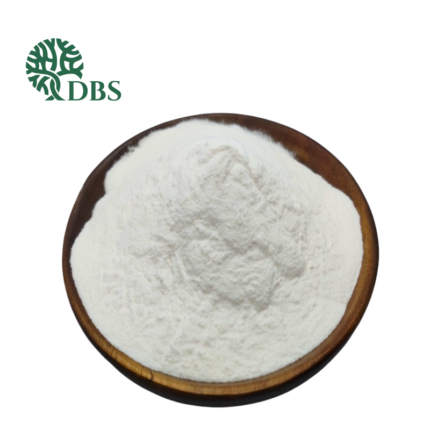
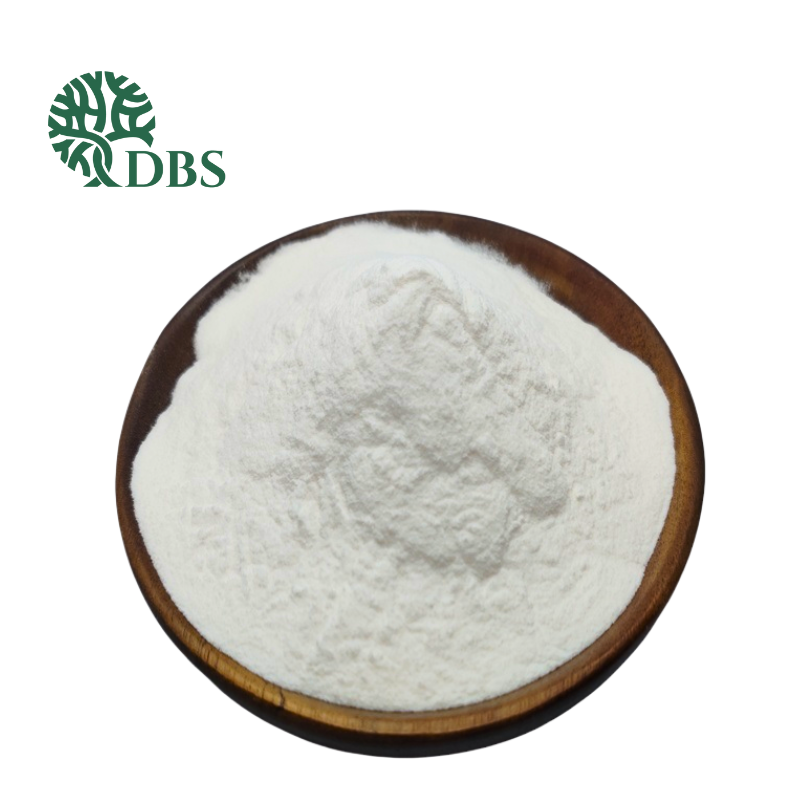
Appearance: White or light gray powder
Hs code: 35079090
Min. Order: 100 KG
CAS No: 80146-85-6
EC No: 2.3.2.13
Shelf life: 12 Months
Storage: Store at 10℃ or below
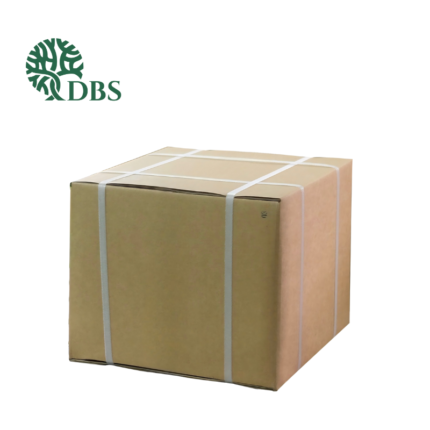
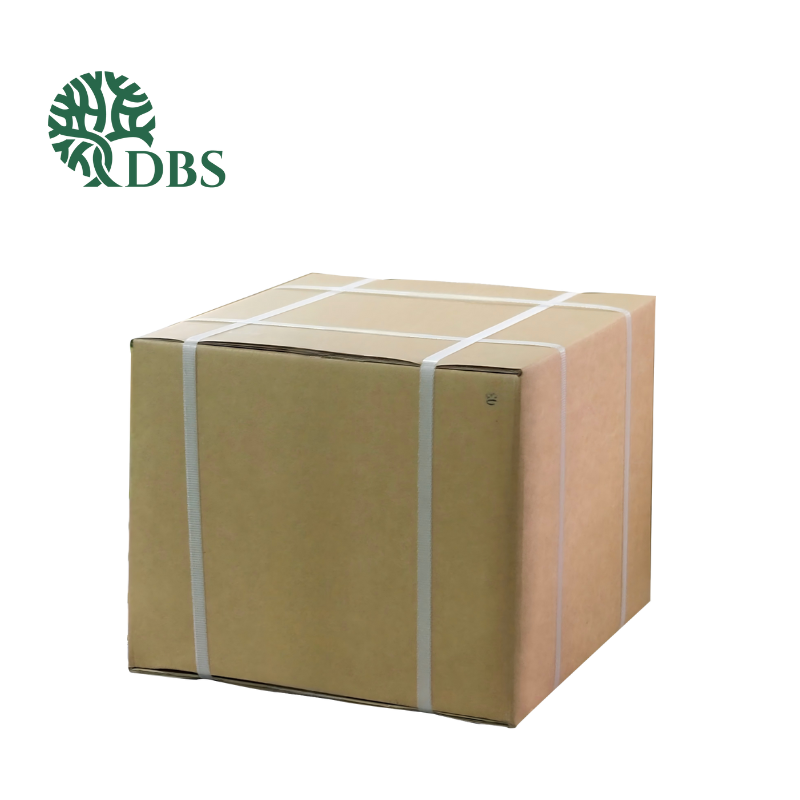
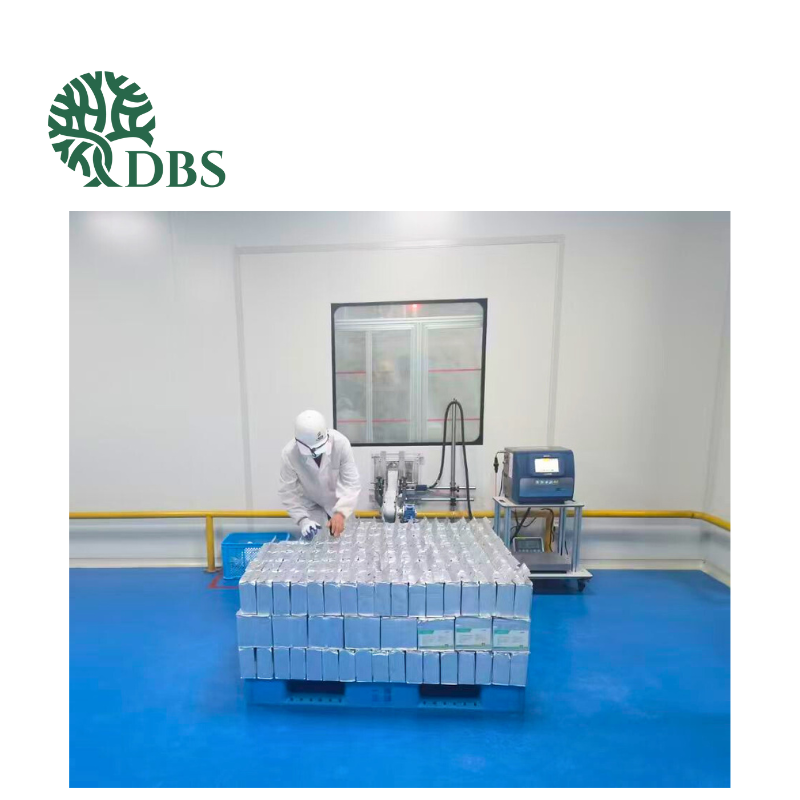
Package: 1kg/Bag (aluminum foil bag)
20kgs/Ctn
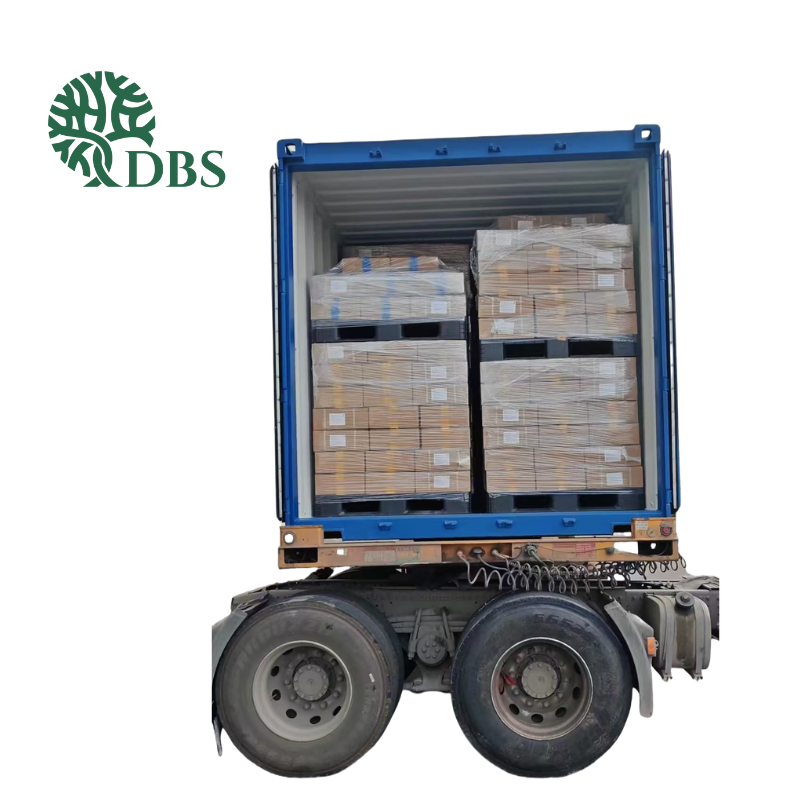
10MT/20′ FCL

Categories: Enzyme, Transglutaminase
Share:
  • Description
  • Specification
Description

What is Transglutaminase?

Transglutaminase is a naturally occurring enzyme found in plants, animals, and bacteria. In the food industry, it is typically produced through the fermentation of the bacterium Streptomyces mobaraensis.

Its primary “magic trick” is its ability to create strong covalent bonds between two amino acids: lysine and glutamine. Because these are found in abundance in meat proteins, TG acts as a biological adhesive that fuses pieces of protein together on a molecular level.


The Science of Texture: Molecular Cross-Linking

At the molecular level, TG acts as a catalyst for a specific chemical reaction. It links the amino acids glutamine and lysine, creating a “cross-link” that acts like a structural bridge between protein chains.

In terms of texture, this means:

  • Increased Gel Strength: It turns soft, mushy protein mixes into firm, resilient gels.

  • Enhanced Elasticity: It gives meat a “springy” quality that resists deformation.

  • Thermostability: Once these bonds are formed, they don’t break down when heated. This ensures the texture remains consistent from the fridge to the grill.


Specific Applications in Texture Improvement

1. The “Snap” in Sausages and Frankfurters

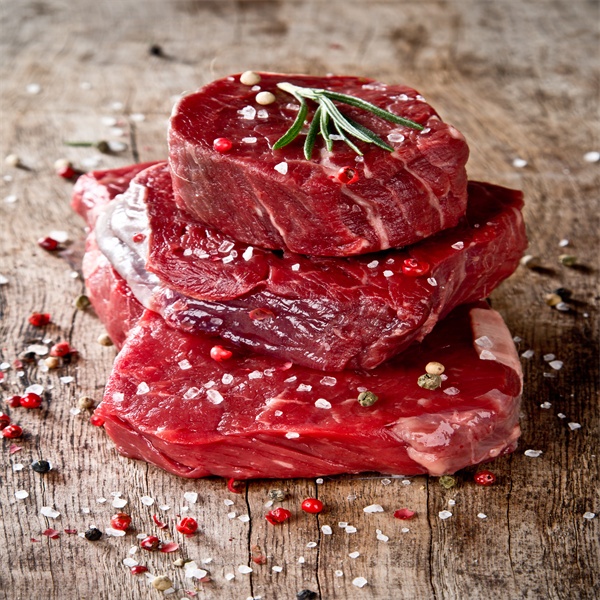
The hallmark of a high-quality sausage is the “snap” when you bite into it. TG reinforces the protein matrix in emulsified meats (like hot dogs or bologna). This allows manufacturers to achieve that firm, premium bite even when using lower-fat recipes or leaner meats that might otherwise turn out dry or crumbly.

2. Improving “Bite” in Seafood (Surimi)

The most common use of TG is actually in Surimi (imitation crab). Without TG, processed fish paste is often too soft. Adding the enzyme creates the dense, fibrous, and chewy texture that mimics real crustacean meat.

3. Yield and Juiciness (Water Holding Capacity)

One of the biggest challenges in meat processing is “purge”—the loss of moisture during storage or cooking.

  • The tight protein network created by TG acts like a microscopic sponge.

  • It traps water molecules within the meat structure.

  • Result: The meat stays juicier even if it is slightly overcooked, and there is less “drip loss” in the packaging.

4. Restructuring Low-Value Cuts

TG can take tougher, connective-tissue-heavy trimmings and reorganize the proteins into a more tender, uniform texture. By cross-linking the proteins, it creates a “homogenized” mouthfeel that masks the grittiness often found in cheaper processed meats.


Texture Comparison: Standard vs. TG-Treated

Feature Standard Processed Meat TG-Enhanced Meat
Mouthfeel Can be grainy or soft Firm, “meaty,” and consistent
Cohesion Prone to crumbling when sliced thin Holds together perfectly (ideal for deli meats)
Cooking Loss High moisture loss (shrinking) High moisture retention (plump)
Elasticity Low / Brittle High / “Springy”
Specification
Enzyme activity:
Regular enzyme activity: 120-130u/g.
High enzyme activity: 500u/g, 1000u/g, 1500u/g, 2000 u/g…
ItemsSpecification
Loss on drying (%)≤10
Arsenic (As) (mg/kg)≤3
Lead(Pb) (mg/kg)≤5
Colonies number (cfu/g)≤50000
Coliform bacteria (cfu/g)≤30
Escherichia coli (25g or 25ml)<10
Salmonella (25g or 25ml)Absent

Related products

Strong Binding Transglutaminase Powder for Meat Restructuring and Cold Bonding - DBS Biotechnology

Transglutaminase

Read more
Close
YOU MAY ALSO LIKE…
  • Sodium Dehydroacetate
  • Sugiva(Cultured dextrose)
  • Lauroyl arginate ethyl ester HCL (LAE)
  • Textured Soy Protein
logo
  • +86 152 0180 6452
  • info@dbsbiotechnology.com
  • No.888, Huanhu West 2nd Road, PudongNew area, Shanghai 201306, China
Our Products
  • Enzyme
  • Phosphate
  • Preservative
  • Proteins
  • Seasoning and flavors
Our stores
  • Home
  • Blog
  • About Us
  • Contact us
  • FAQs
  • Privacy policy
SEND MESSAGE


    Copyright 2025 DBS Biotechnology Co., Ltd All Rights
    • Home
    • Products
      • Enzyme
        • Transglutaminase
        • Papain
      • Preservative
        • Lauroyl arginate ethyl ester hcl
        • Sugiva
        • E-polylysine
        • Nisin
        • Natamycin
        • Sodium dehydroacetate
        • Sodium propionate
        • Sodium diacetate
        • Sodium acetate anhydrous
      • Phosphate
        • Compound phosphate
        • SAPP (Disodiumdihydrogenpyrophosphate)
      • Proteins
        • Isolated Soy protein(ISP)
        • Textured soy protein(TSP)
        • Soy fiber
      • Seasoning and flavors
        • Garlic powder
        • Onion powder
        • Chicken flavor powder
        • Seafood flavor
        • Meat flavor
        • Vegetable flavor
    • About Us
    • Blog
    • FAQs
    • Contact us
    Sidebar

    Sending...