What is Sugiva?
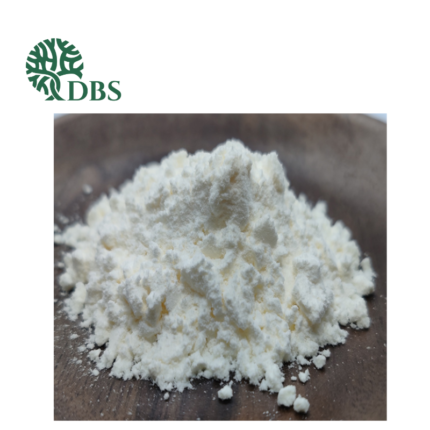
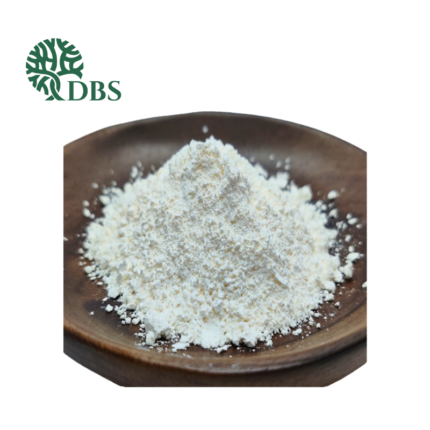
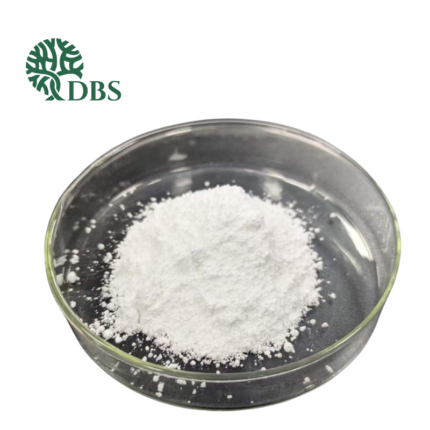
Sugiva (commonly labeled as cultured sugar or cultured dextrose) is a natural biopreservative designed to extend the shelf life of food without using synthetic chemicals.
Despite its name, it isn’t used to sweeten food; rather, it uses the power of fermentation to keep products fresh.
Key Characteristics
-
The Process: It is created by fermenting a sugar source (like corn or cane sugar) with specific “good” bacteria (starter cultures).
-
The Result: This fermentation produces a mix of natural organic acids (like lactic, acetic, and propionic acids) and peptides that naturally inhibit the growth of mold, yeast, and harmful bacteria.
-
The “Clean Label” Appeal: It allows food manufacturers to remove artificial preservatives like Potassium Sorbate or Calcium Propionate from their labels, replacing them with the consumer-friendly term “Cultured Sugar.”
Primary Functions
-
Antimicrobial Action: It effectively guards against spoilage organisms and pathogens like Listeria.
-
Shelf-Life Extension: It keeps baked goods, dairy, and meats fresh for significantly longer periods.
-
Flavor Stability: Because it is mild, it preserves the food’s original taste without adding the harsh chemical aftertaste often associated with synthetic preservatives.
Common Uses
You will typically find Sugiva in:
-
Bakery: Breads, tortillas, and muffins to prevent mold.
-
Dairy: Creams, cheeses, and yogurts.
-
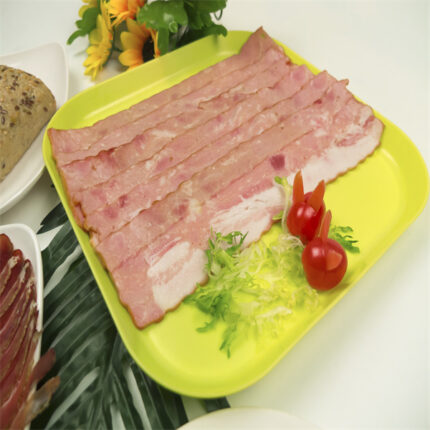
Prepared Foods: Salad dressings, dips, and pre-cooked meats.
In short: Sugiva is a “natural shield” for food, using traditional fermentation to provide modern food safety.