What is Sodium Dehydroacetate?
Sodium dehydroacetate is the sodium salt of dehydroacetic acid. In the world of manufacturing, it is primarily used as a preservative due to its potent antimicrobial and antifungal properties.
You’ll most commonly find it in cosmetics, skincare products, and occasionally as a food additive (though its use in food is strictly regulated depending on the country).
1. Key Characteristics
-
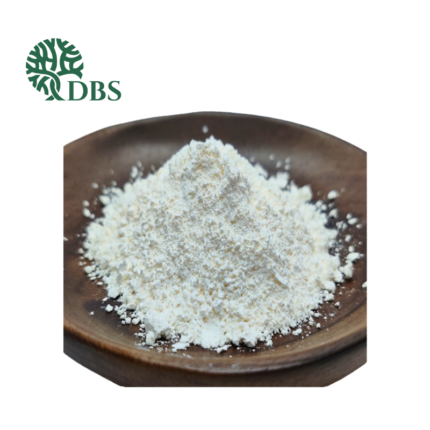
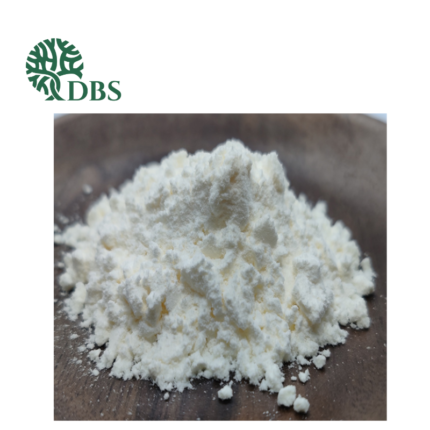
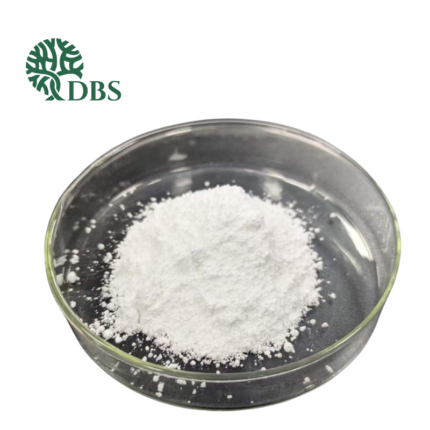
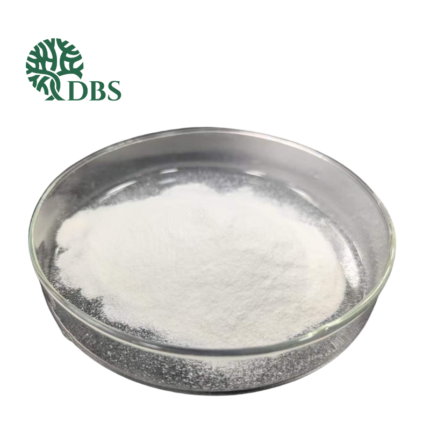
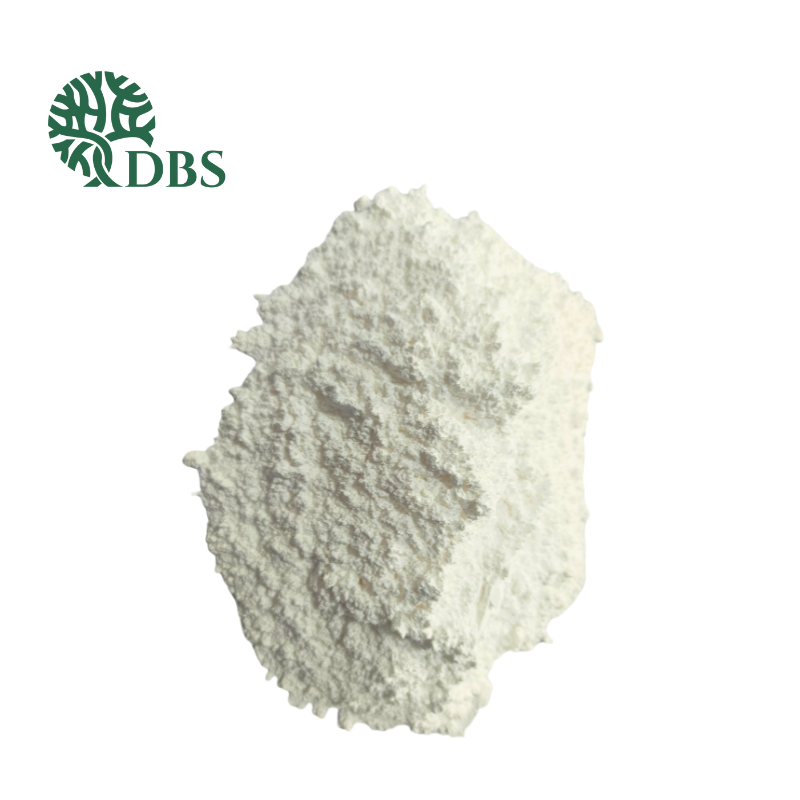
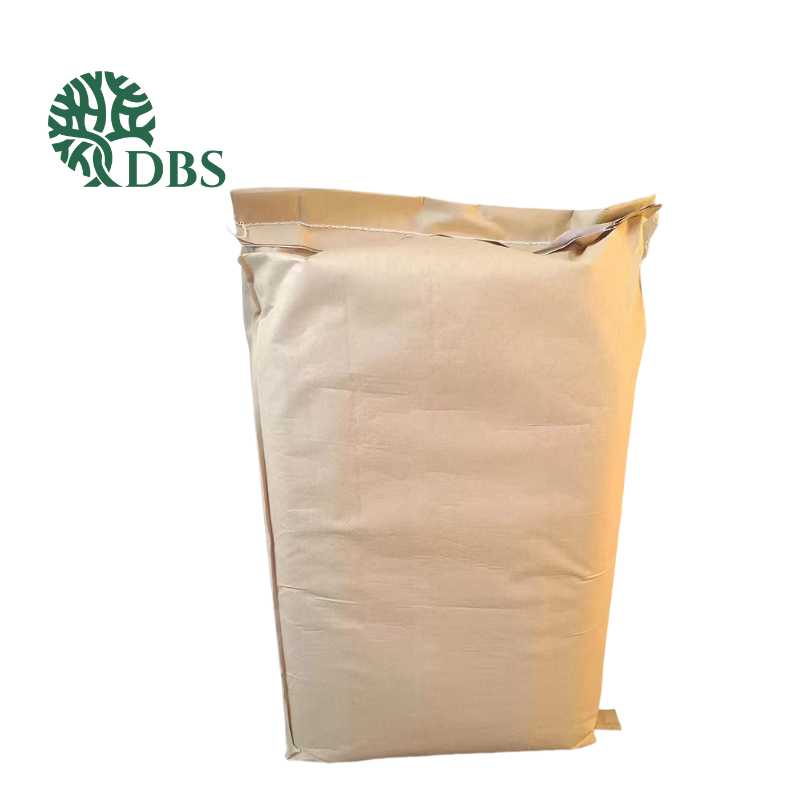
Appearance: It typically presents as a white or nearly white odorless powder.
-
Solubility: Unlike its parent acid, the sodium salt version is highly soluble in water, making it much easier for chemists to mix into liquid formulas.
-
Function: It works by inhibiting the growth of bacteria, yeast, and molds, which significantly extends the shelf life of products.
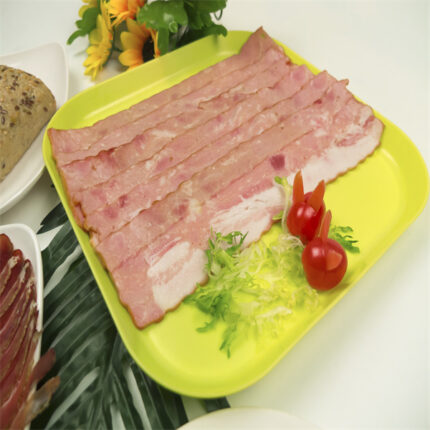
In meat processing, sodium dehydroacetate is utilized primarily as a high-efficiency, broad-spectrum preservative. It is particularly valued for its ability to prevent surface spoilage and maintain the “fresh” appearance of processed meats.
However, its use is currently undergoing significant global regulatory shifts due to updated safety assessments.
2. Primary Functions in Meat
-
Surface Protection: It is often applied to the surface of cooked or marinated meats (via spraying or soaking in a solution) to create a protective “film.” This prevents the meat from becoming sticky or developing mold.
-
Broad-Spectrum Inhibition: It is 2–10 times more effective than sodium benzoate at inhibiting bacteria, yeast, and molds. It works by penetrating microbial cell membranes and disrupting their respiration.
-
Stability: Unlike many other preservatives, it remains stable and effective even after high-temperature processing (like boiling or spice-braising) and across a wide pH range (acidic to slightly alkaline).
3. Critical Regulatory Update (2025–2026)
If you are involved in food production, you should be aware of major recent changes:
-
Banned in China (as of Feb 2025): Under the new GB 2760-2024 standard, sodium dehydroacetate is now banned in many food categories where it was previously common, including pre-made meat products and canned meats.
-
Strict Limits in USA/EU: The US FDA generally only approves it for very specific uses (like peeled squash), and it is not approved as a food additive in the European Union (E266 is listed but not authorized for food use).
-
Health Concerns: The shift away from this additive is due to concerns regarding potential long-term accumulation and its effects on the liver, kidneys, and central nervous system.
4. Common Alternatives
Because of these bans, many meat processors are switching to:
-
Sodium Diacetate: Often used for its acetic acid (vinegar) scent and antimicrobial punch.
-
Potassium Sorbate: Effective, though sometimes limited by dosage restrictions.
-
Nisin, ε-Polylysine, sugiva, or cultured dextrose: “Natural” or biological preservatives that are gaining popularity as “clean label” alternatives.