


What is Transglutaminase?
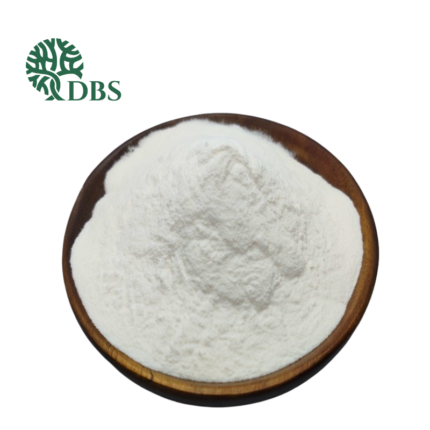
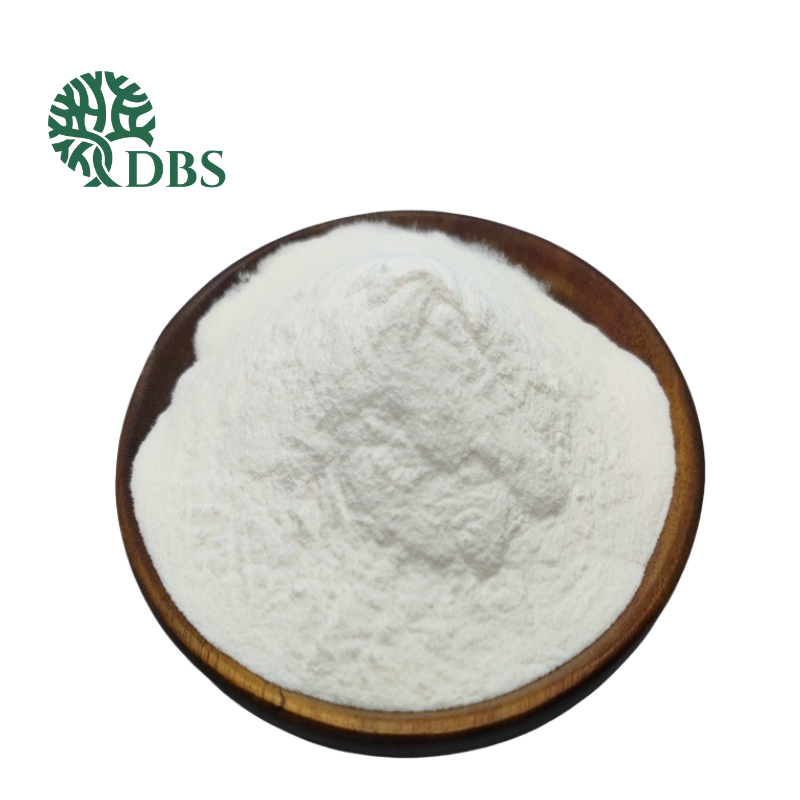
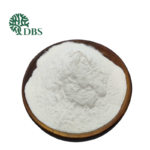
Transglutaminase is a naturally occurring enzyme found in plants, animals, and bacteria. In the food industry, it is typically produced through the fermentation of the bacterium Streptomyces mobaraensis.
Its primary “magic trick” is its ability to create strong covalent bonds between two amino acids: lysine and glutamine. Because these are found in abundance in meat proteins, TG acts as a biological adhesive that fuses pieces of protein together on a molecular level.
Applications in Meat Reconstruction (DBS-PD Series)
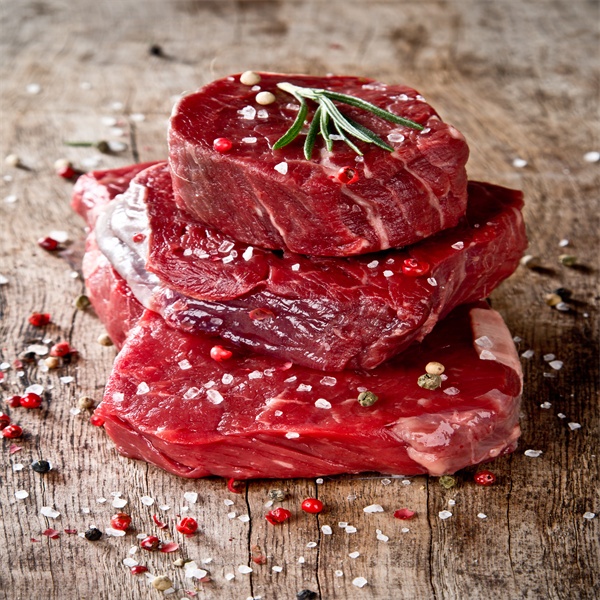
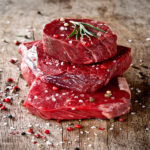
Meat reconstruction (or “restructuring”) is the process of taking smaller meat trimmings and binding them together to create a seamless, larger cut.
1. Portion Control and Uniformity
In high-volume catering or steakhouse environments, consistency is key. TG allows chefs to bond smaller pieces of premium beef (like tenderloin tips) into a uniform cylinder. Once sliced, every guest receives a “filet” of the exact same size, shape, and thickness, ensuring even cooking times.
2. Creating “Hybrid” Cuts
TG enables the creation of creative protein pairings that would be impossible with traditional cooking.
-
Surf and Turf: Binding a piece of scallop to a piece of lamb.
-
Bacon-Wrapped Everything: Permanently “gluing” bacon around a filet mignon so it never unravels during searing or plating.
3. Improving Texture in Processed Meats
In products like sausages, hot dogs, and deli meats, TG helps create a firmer, more “snappy” texture. It increases the gel strength of the meat proteins, which also improves water retention—meaning the meat stays juicier after being cooked.
4. Reducing Waste
By salvaging high-quality trimmings that would otherwise be ground into burger meat or discarded, producers can create “reformed” steaks or roasts, significantly increasing the yield and sustainability of the animal.
How it Works in the Kitchen
| Step | Action |
| Application | The TG powder is either dusted onto the meat or mixed into a slurry with water. |
| Bonding | The meat pieces are pressed together tightly (often using plastic wrap to create a torchon shape). |
| Resting | The enzyme needs time to work—usually 6 to 24 hours in a refrigerator. |
| Cooking | Once the bond is formed, it is thermostable. You can grill, sauté, or sous-vide the meat, and it will not come apart. |