

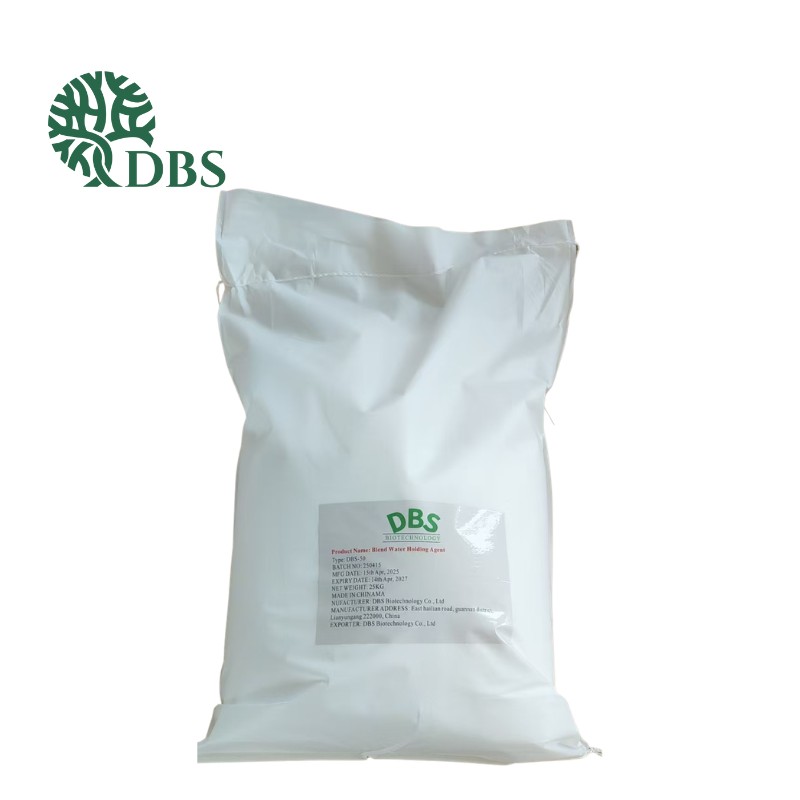








What is compound phosphate?
Compound phosphate isn’t just one single thing; it’s a strategic blend of different phosphate salts designed to perform specific “miracles” in food processing and manufacturing.
Essentially, by mixing different types of phosphates, manufacturers can achieve results that a single phosphate couldn’t manage on its own.
Why Blend Them?
Different phosphates have different strengths. Some are great at changing pH, while others are better at holding onto water. A typical “compound” might include:
-
Sodium Tripolyphosphate (STPP)
-
Sodium Pyrophosphate (TSPP)
-
Sodium Hexametaphosphate (SHMP)
Core Functions
In the food industry, compound phosphates are the “secret sauce” for texture and preservation:
-
Moisture Retention: They help meat and seafood hold onto their natural juices during freezing and cooking. This keeps your chicken breast from turning into a hockey puck.
-
Texture Improvement: They act as “emulsifiers” and “stabilizers.” In processed meats like sausages or deli meats, they help the fat and water stay bonded so the texture remains smooth.
-
pH Buffering: They stabilize the acidity of a product, which can improve color and extend shelf life by inhibiting certain types of spoilage.
-
Metal Sequestration: They “grab” onto metal ions like calcium or magnesium in water, which prevents off-flavors and keeps the product looking fresh.
Common Applications
| Industry | Primary Use |
| Meat & Poultry | Preventing “drip loss” and improving tenderness. |
| Seafood | Maintaining weight and translucent appearance during storage. |
| Dairy | Preventing protein separation in evaporated milk or processed cheese. |
| Noodles | Improving elasticity and preventing the dough from getting mushy. |
