








Product Introduction
What is Transglutaminase?
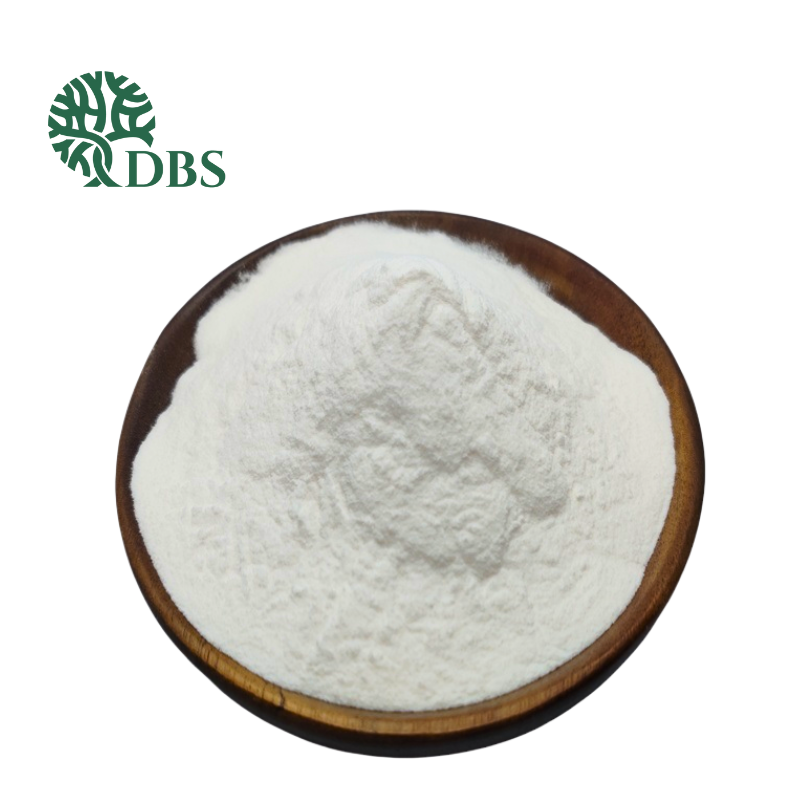
Transglutaminase (TG) is a naturally occurring enzyme found in plants, animals, and microorganisms. In the food industry, it is commonly produced through the controlled fermentation of the bacterium Streptomyces mobaraensis.
Known as a “protein cross-linking enzyme,” transglutaminase catalyzes the formation of strong covalent bonds between glutamine and lysine amino acids naturally present in proteins. This unique functionality allows separate protein molecules to bind together, improving texture, structure, elasticity, and overall product stability.
Because of its excellent binding ability, TG enzyme is widely used in meat processing, seafood products, dairy products, and plant-based protein applications.
The Science of Texture: Molecular Cross-Linking
At the molecular level, transglutaminase functions as a biological catalyst that creates stable cross-links between protein chains. These molecular bridges strengthen the protein network and significantly improve the physical properties of food products.
This protein cross-linking mechanism delivers several important functional benefits:
Increased Gel Strength
Transforms soft protein mixtures into firm, stable, and resilient structures.
Enhanced Elasticity
Improves springiness and chewiness in processed meat and seafood products.
Improved Binding Performance
Binds fragmented meat pieces into a uniform and stable structure without affecting flavor.
Better Water Retention
Strengthens protein networks to help reduce moisture loss during cooking and storage.
Excellent Thermal Stability
Once formed, the protein bonds remain stable during heating, freezing, and further processing.
Key Benefits
✔ Improve slicing performance
✔ Enhance protein binding
✔ Improve elasticity and chewiness
✔ Reduce cooking loss
✔ Increase product yield
✔ Improve texture stability
✔ Enhance water retention
✔ Support clean-label formulation trends
Recommended Applications
Sausage Texture Improvement
TG enzyme helps improve firmness, slicing stability, and bite texture in cooked sausages and emulsified meat products. It strengthens the protein network, reduces crumbling during slicing, and improves product consistency.
Typical Applications:
- Frankfurters
- Hot dogs
- Emulsified sausages
- Cooked sausages
- Chicken sausages
Restructured Meat Binding
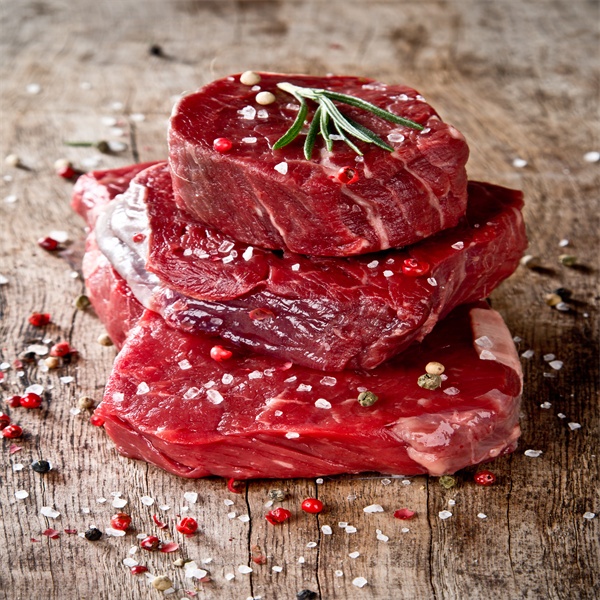
TG acts as a natural protein binder that firmly connects meat pieces together to create uniform restructured products with improved appearance and sliceability.
Typical Applications:
- Restructured beef
- Formed chicken products
- Bacon reconstruction
- Steak shaping
- Doner kebab products
Fish Ball Elasticity Improvement
TG enzyme enhances the gel strength and elasticity of surimi and seafood-based products, delivering a springy and resilient texture preferred in many Asian seafood applications.
Typical Applications:
- Fish balls
- Crab sticks
- Surimi products
- Fish tofu
- Seafood paste products
Application Details
Common Processing Problems
Weak Texture
Insufficient protein network formation can result in soft, unstable texture and poor mouthfeel.
Slicing Breakage
Poor structural integrity may cause cracking or crumbling during slicing and packaging.
Water Loss
Protein instability can lead to excessive cooking loss and reduced product yield.
Inconsistent Product Structure
Uneven binding can negatively affect appearance and processing efficiency.
DBS Functional Solutions
DBS Biotechnology provides customized TG enzyme solutions for different processing systems and product requirements.
Recommended Combination Solutions:
- TG Enzyme + Compound Phosphate
- TG Enzyme + Soy Protein
- TG Enzyme + Carrageenan
- TG Enzyme + Functional Starch
These combinations help optimize:
- Binding performance
- Water retention
- Texture stability
- Yield improvement
- Cost efficiency
Technical support and customized formulation assistance are available upon request.
