

What is Natamycin?
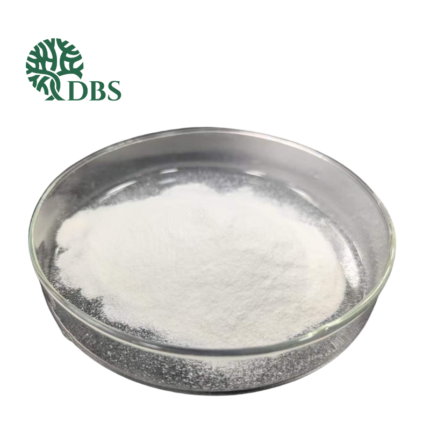
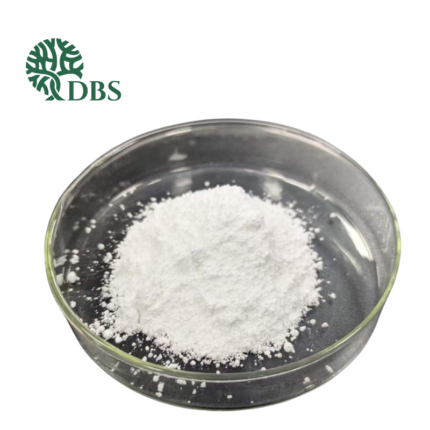
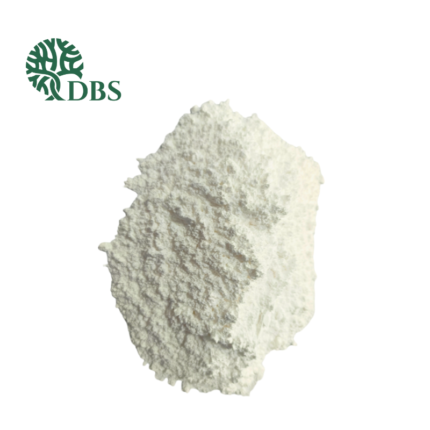
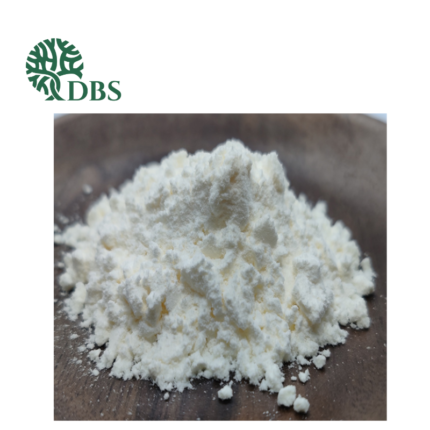
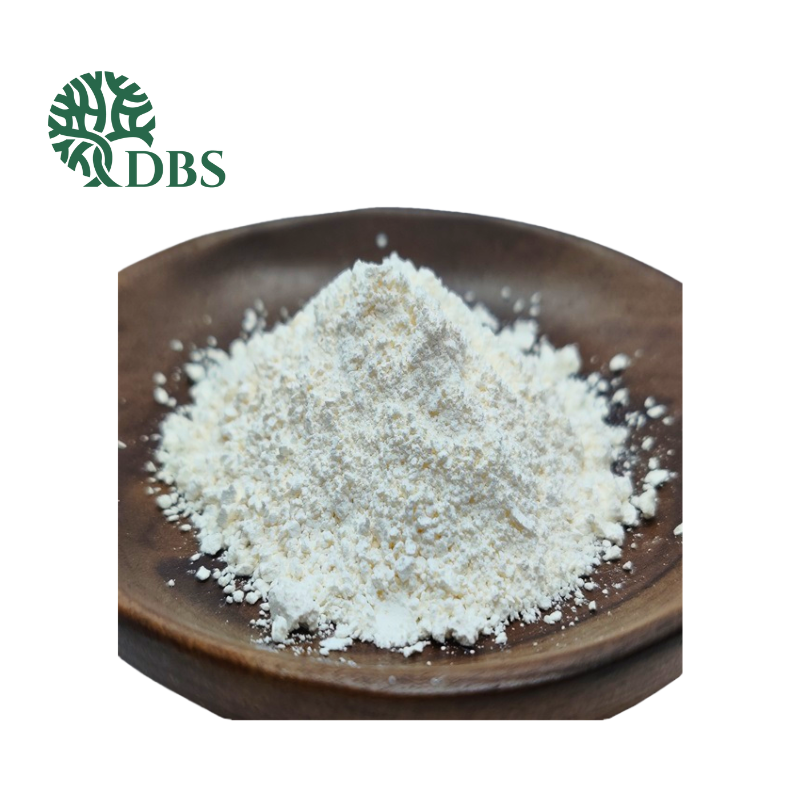
Natamycin (also known as pimaricin) is a naturally occurring antifungal agent produced by the bacterium Streptomyces natalensis. It is widely used in the food industry as a natural preservative to prevent the growth of molds and yeasts.
Key Characteristics
-
Mechanism of Action: It binds to ergosterol in fungal cell membranes, causing them to leak and eventually leading to cell death.
-
Targeted Protection: It is highly effective against nearly all known molds and yeasts but has no effect on bacteria, viruses, or fungi that do not contain ergosterol.
-
Safety Profile: Because it is poorly absorbed by the human digestive tract and has a long history of safe use, it is classified as GRAS (Generally Recognized As Safe) by the FDA and approved as food additive E235 in the EU.
Common Applications
| Category | Typical Use |
| Dairy | Applied to the surface of hard cheeses and shredded cheese to prevent molding. |
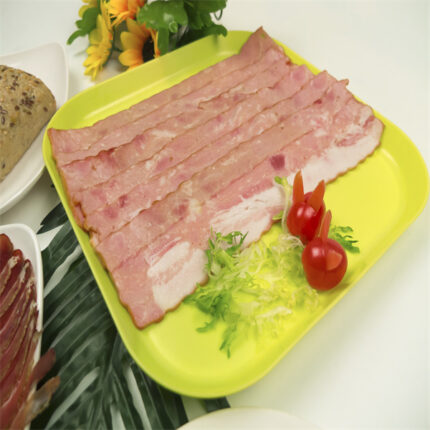
| Meat | Used on the casings of dried sausages (like salami) to stop unwanted fungal growth. |
| Medical | Used in eye drops to treat fungal keratitis (infections of the cornea). |
| Beverages | Occasionally used in juices or wines to prevent secondary fermentation. |
Why Use It?
Unlike chemical preservatives (such as sorbates or benzoates), Natamycin is effective at extremely low concentrations and does not change the flavor, color, or aroma of the food. It also ensures that “good” bacteria—like those used to ripen cheese or ferment yogurt—remain unaffected.
Would you like me to look up specific legal limit regulations for Natamycin in your region?